



Why Hackers Want Your Small Business Data
Many business owners feel like they are safe because they are small. You might think that hackers only care about big banks or famous tech companies. It is a common belief that if you stay under the radar, nobody will bother you. However, this way of thinking is actually a dangerous mistake to make.
The truth is that hackers do not always pick who they attack by hand. Most of the time, they use computers to do the hard work for them. These hackers use programs called botnets. A botnet is a group of zombie computers controlled by a hacker to carry out large attacks automatically. These robots scan the entire internet looking for any open door. They do not care if you are a huge company or a one-person shop. If you have a weak spot, they will find it.
It Is Often About the Money
The most common reason for a hack is simple: money. Hackers want to find a way to get paid, and small businesses are often easier targets than big banks. One of the main ways they do this is through ransomware. Ransomware is a type of virus that locks your files and demands money before you can get them back.
Because small businesses often do not have great backups, they are more likely to pay the hacker to get their business running again. The hackers know this. They also look for compromised credentials. Compromised credentials is a fancy way of saying a hacker stole your username and password. Once they have your login, they can get into your bank accounts or pretend to be you to trick your clients into sending them money.
You Are a Stepping Stone
Sometimes, the hacker does not actually want your data. Instead, they want to use your business to get to someone else. This is a common part of an APT. An APT, or Advanced Persistent Threat, is a long-term attack where a hacker stays hidden in your network to steal data over time.
Think about the bigger companies you work with as a vendor or partner. Those big companies have very expensive security. Hackers might find it too hard to break into the big company directly. Instead, they break into your smaller business first. Once they are inside your system, they can send emails to the big company that look like they came from you. Because the big company trusts you, they might click a link or download a file that lets the hacker into their system too.
The Chaos and the Hacktivists
Not every hacker is looking for a paycheck. Some people hack because they want to make a point or just cause trouble. These people are sometimes called hacktivists. They might attack a business because they do not like the industry you are in or because they want to show off their skills to their friends.
Even if they are just “playing around,” the damage to your business is real. They can delete your website, mess up your client lists, or leak your private emails online. To them, it is a game or a protest. To you, it is a disaster that stops you from doing your job and serving your customers.
How to Protect Your Business
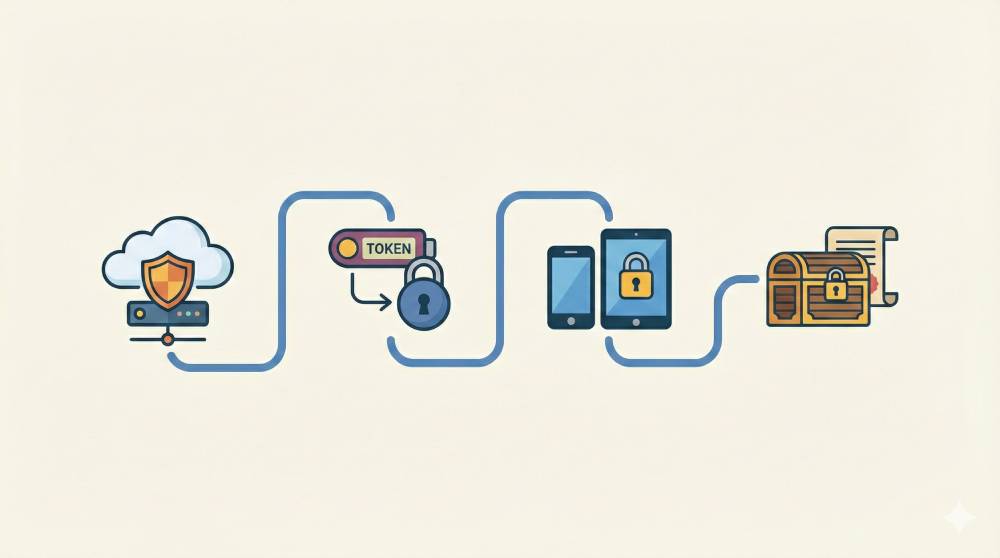
The good news is that you can make your business a much harder target. Most hackers are looking for easy wins. If you put up a few strong walls, they will likely move on to someone else who is less prepared. One of the best ways to think about security is called Zero Trust. Zero Trust is a security rule where nobody is trusted by default: this means every person and device must be verified before getting access to your files.
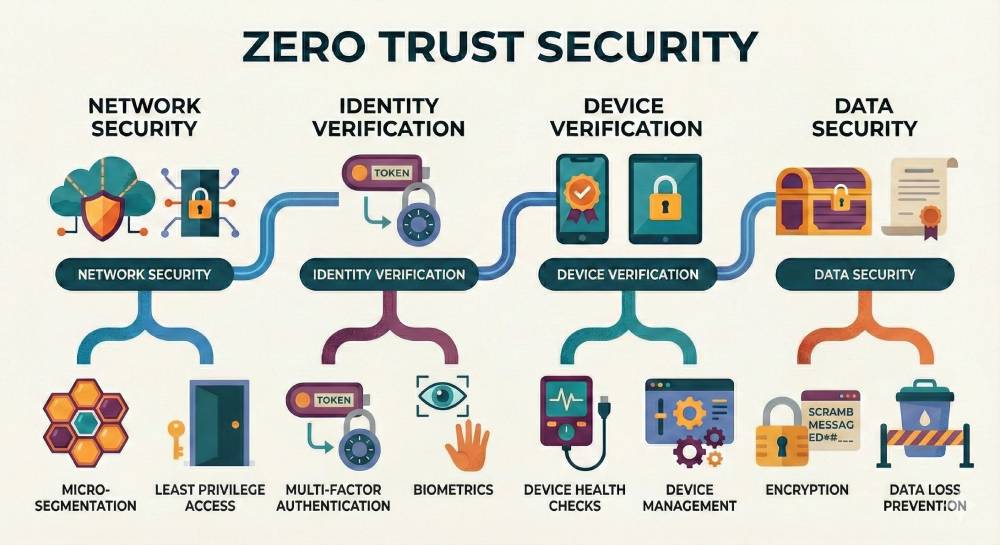
You do not need to be a computer expert to start protecting your business. You just need to know where your weak spots are. When you understand your risks, you can fix them before a botnet finds them.
Are you sure your business is safe from these types of attacks? Most owners think they are protected until something goes wrong. You can find out exactly where you stand right now. Take our quick quiz to see your score and learn how to stay safe.
Why Hackers Target Everyone
You might think hackers only go after big companies like banks and governments. But that’s not true! Hackers target small businesses for many reasons, including:
- Server resources: Hackers can use your computer or website’s power for their own purposes, like launching attacks on other sites.
- Data gathering: Information you store on your website or computer can be valuable to hackers. They can use it for phishing scams or identity theft.
- Ransomware: Hackers can lock you out of your data and demand money to get it back.
- Disruption: Hackers might take down your website or online services to cause trouble.
How Hackers Gain Access
There are many ways hackers can break into your systems, here are some of the most common:
- Weak passwords: If you reuse passwords on multiple sites, hackers can easily guess them.
- Phishing emails: Hackers send emails that trick you into clicking malicious links or attachments.
- Outdated software: Outdated software has security holes that hackers can exploit.
- Uncontrolled access: If everyone in your company has access to all your data, it’s easier for hackers to steal it if they get in.
How to Protect Your Small Business
Here are some steps you can take to improve your cybersecurity:
- Strong, unique passwords: Use a password manager to create strong, unique passwords for every website you use.
- Two-factor authentication: Enable two-factor authentication wherever possible. This makes it much harder for hackers to log in, even if they steal your password.
- Software updates: Always install software updates as soon as they become available. These updates often include security patches.
- Limit access: Only give employees access to the data they need to do their jobs.
- Centralized access: If possible, use a central system like Google Workspace to manage user accounts. This makes it easier to control access and revoke it when employees leave.
- Website security: Choose a reputable website hosting provider that offers security features.
- Regular backups: Regularly back up your data so you can restore it in case of a cyberattack.
- Be cautious: Don’t click on suspicious links or attachments in emails, and be careful about what information you share online.
Cybersecurity is an ongoing battle, but by following these tips, you can make it much harder for hackers to target your small business.
How Secure Are You, Really?
Choosing a secure platform is only step one—your configuration is what matters most. Take our 20-question assessment to uncover hidden blind spots in your access and data protection before they become risks.
Start My free Cyber Assessment